
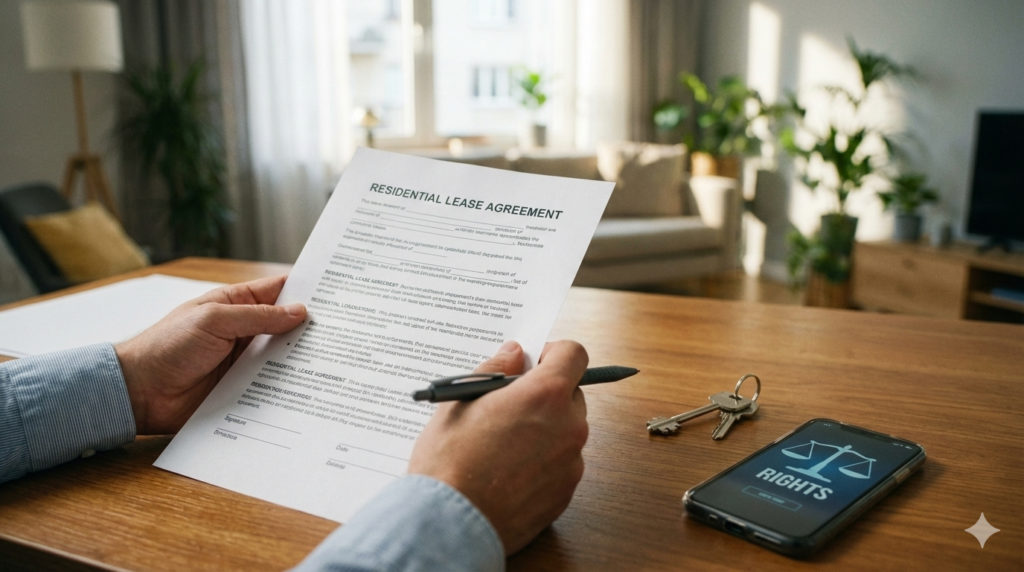
Navigating the rental market has always been challenging, but 2026 brings a wave of new protections designed to balance the scales between landlords and tenants. Whether you are signing a new lease or renewing an old one, staying informed about these legal updates is the best way to protect your wallet and your peace of mind.
Just as understanding the Healthcare System is vital for your physical well-being, knowing your housing rights is essential for your financial health. Here are the most critical updates to tenant laws this year.
1. National Caps on Security Deposits
One of the most significant changes in 2026 is the widespread adoption of stricter caps on security deposits. In many jurisdictions, landlords are now legally barred from charging more than one month’s rent as a deposit, regardless of whether the unit is furnished or unfurnished.
- The Benefit: This lower entry cost makes housing more accessible and prevents landlords from holding excessive amounts of your liquid capital.
- The Action: If you are asked for “first, last, and a double deposit,” double-check your local statutes, as this practice is increasingly becoming illegal.
2. Mandatory “Right to Repair” Timelines
We’ve all heard horror stories of broken heaters or leaking pipes that go ignored for weeks. New 2026 standards have introduced “Mandatory Repair Timelines” for essential services.
- The Rule: Landlords must now respond to “emergency” repair requests (like water, heat, or electricity) within 24 hours. For non-emergency but essential repairs, the window is typically 5 to 7 business days.
- Your Protection: If these timelines are not met, many states now allow tenants to “repair and deduct”—meaning you can pay for the fix yourself and subtract that cost from your next rent check, provided you follow the proper notice procedures.
3. The End of “Junk Fees” in Leasing
Transparency is the theme of 2026. New federal and state-level guidelines now require landlords to disclose all recurring monthly costs upfront.
- No More Surprises: Fees for trash collection, pest control, or “online portal convenience” must be clearly listed in the original lease summary. Landlords can no longer add these as surprise line items on your monthly invoice.
- The Strategy: Always ask for a “Total Monthly Cost” statement before signing. This ensures your budget remains predictable, much like how Health Insurance helps you manage unpredictable medical expenses.
4. Enhanced Protections Against Unfair Evictions
Eviction laws have been refined to ensure that tenants have a fair “right to counsel” in many major cities. This means that if you are facing an eviction notice over a dispute, you may be entitled to free or low-cost legal representation to ensure due process is followed.
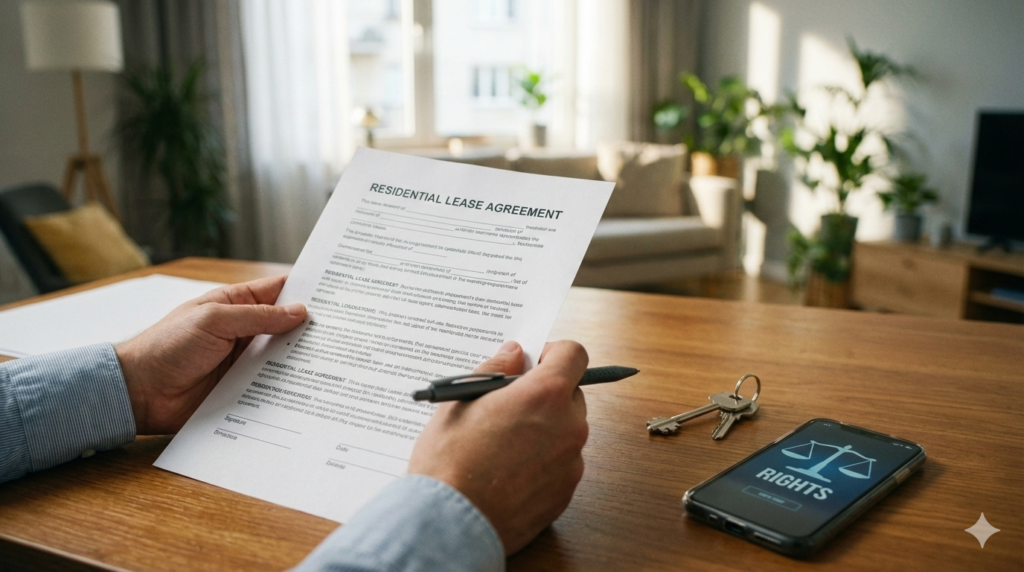
Final Thoughts: Document Everything
The law is on your side more than ever in 2026, but it only works if you have proof. Always keep copies of your communication with your landlord and take time-stamped photos of your apartment’s condition both at move-in and move-out.
Have you noticed any new fees on your rent statement lately? Let us know in the comments, and we can help you look into whether they are compliant with the latest rules!
Pingback: Get Your Security Deposit Back in 2026: The Ultimate Moving Checklist - World Update Today
Pingback: The Legal Lens on Democracy: How Law Students are Protecting Americans’ Right to Vote in 2026 - World Update Today
Pingback: US Winter Storm 2026: Protecting Your Home and Wallet - World Update Today