
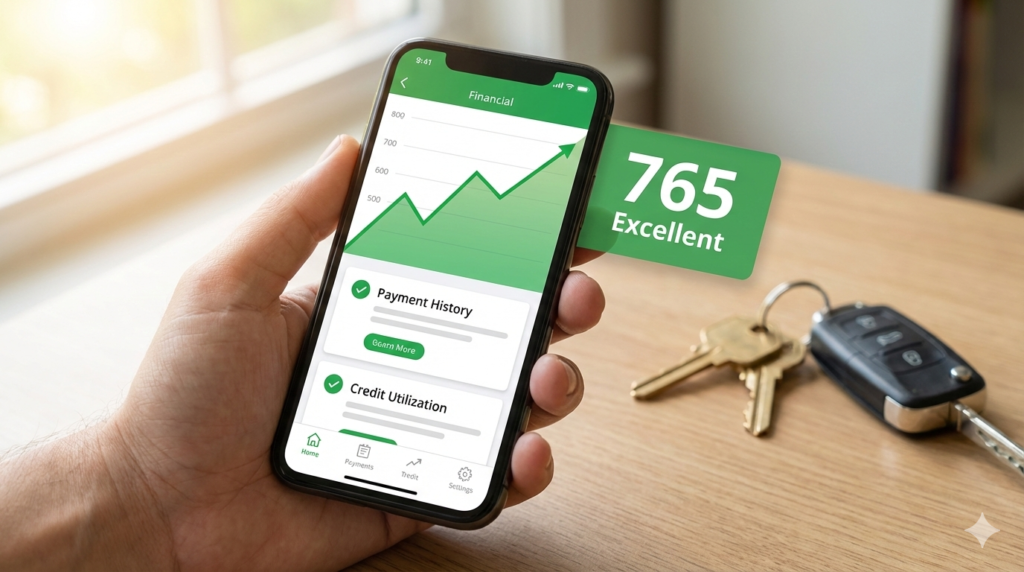
5 Proven Steps to Boost Your Credit Score Fast (and Stop Overpaying for Debt)
In the U.S., your three-digit credit score is more than just a number—it’s the gatekeeper to your financial financial freedom. A low score doesn’t just mean getting rejected for a new card; it means you are actively paying thousands of dollars more in interest on mortgages, cars, and even insurance premiums over your lifetime.
We previously discussed Why Credit Scores Have a Powerful Impact on Everyday Life. If you already understand the “why,” it’s time to focus on the “how.”
If your score is stuck in the “Fair” or “Poor” range (typically below 670), don’t panic. You aren’t stuck there forever. By taking strategic, decisive actions, you can see significant improvements in as little as 30 to 60 days.
Here is an actionable, five-step guide to boosting your credit score quickly and keeping more money in your pocket.
1. Dispute Errors on Your Credit Reports Immediately
Before you try to fix your financial habits, you must ensure the data reporting on you is accurate. A surprising number of U.S. consumer credit reports contain errors that unfairly drag down scores.
- The Action: Go to AnnualCreditReport.com to get free weekly copies of your reports from the three major bureaus (Equifax, Experian, and TransUnion).
- What to look for: Check for accounts you don’t recognize, late payments that you actually made on time, or debts listed twice.
- The Result: If you find an error, dispute it online with the respective bureau immediately. Having a wrongly reported late payment removed can boost your score substantially almost overnight.
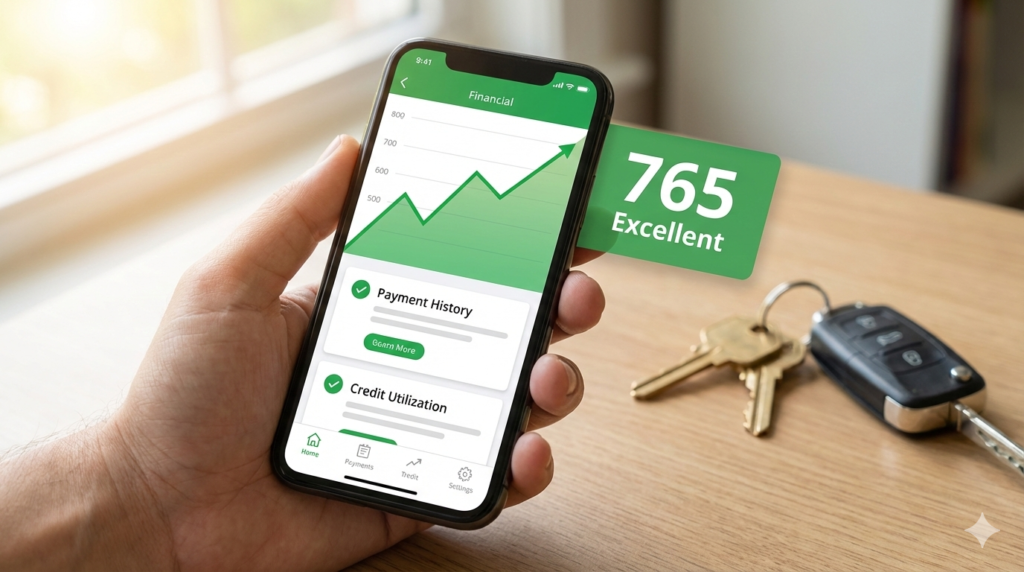
2. The “30% Rule”: Tackle Your Credit Utilization
After payment history, your “credit utilization ratio” is the second most important factor affecting your FICO score. This relates to how much of your available credit limits you are currently using. Maxing out your cards makes you look like a risky borrower to lenders.
- The Strategy: Experts recommend keeping your utilization below 30% on each individual card and across all cards combined. For the fastest score boost, aim for below 10%.
- Example: If you have a credit card with a $5,000 limit, try never to carry a balance higher than $1,500 (which is 30%). If your current balance is $4,500, paying it down significantly will likely result in a rapid score increase as soon as the lender reports the lower balance.
3. Strategic Debt Payoff vs. Consolidation
If you are juggling multiple high-interest credit card balances, you know how suffocating it feels. We explored this reality in our article regarding Why Personal Loans Feel Necessary for Many Americans Today.
Sometimes, the best way to improve your score fast isn’t just paying minimums—it’s changing how you handle the debt.
- The Action: Consider getting a personal loan with a lower interest rate to pay off all your high-interest credit cards at once.
- The Result: This turns multiple revolving debts into one installment loan, which can lower your credit utilization ratio instantly (see step 2) and potentially simplify your life while boosting your score.
4. Become an “Authorized User”
If you have a family member or close friend with excellent credit and a long history with a specific credit card, ask if they will add you as an “authorized user.”
- How it works: You don’t even need to use their card or carry it. Just being listed on an account with a flawless payment history and low utilization can “import” those positive habits onto your own credit report.
- Caution: Ensure the primary account holder makes on-time payments. If they miss a payment, it could negatively impact your score as well.
5. Don’t Close Old Credit Cards Once They’re Paid Off
When you finally pay off that old credit card you got five years ago, your instinct might be to close the account to celebrate. Don’t do it.
- The Reason: Part of your credit score is determined by the “length of your credit history.” Closing an old account shortens your average history age, which can ding your score. Furthermore, closing the account reduces your total available credit limit, which could inadvertently spike your utilization ratio.
- The Strategy: Keep the account open with a $0 balance. To ensure the issuer doesn’t close it for inactivity, use it to pay for a small, recurring subscription (like Netflix) and set it to autopay the full balance each month.
Final Thoughts: Speed vs. Consistency
While these steps can help you see rapid improvements—sometimes within a billing cycle or two—building an excellent credit score (750+) is a marathon, not a sprint. The single most critical habit is paying every single bill on time, every month. Start with these five steps today, and you’ll be well on your way to the financial flexibility you deserve.