
Last week, while walking through Adams Morgan to pick up some takeout, I noticed three different moving trucks on one block. It reminded me of a conversation I had with my neighbor, Sofia, who was nearly in tears because her landlord tried to withhold $1,500 from her security deposit for “standard carpet cleaning.”
As a father of two, I know every dollar counts toward the kids’ college funds or our next family trip. In 2026, the rental market in Washington D.C. remains cutthroat, but there’s a new shield for us: the 2026 Federal Tenant Bill of Rights. Is your landlord actually following it? Probably not, unless you call them out on it.
What is the 2026 Federal Tenant Bill of Rights?
This landmark legislation was designed to curb the “junk fees” that have made everyday life more expensive for Americans. For those of us living in high-rent areas like the DMV, these protections are more than just legal jargon—they are financial lifelines.
Featured Snippet: Top 3 Protections You Need to Know
- No More Hidden “Application Fees”: Landlords must now disclose the total cost of renting upfront, including any recurring monthly “service fees.”
- Mandatory 48-Hour Notice: Except for emergencies, landlords must provide a written 48-hour notice before entering your unit.
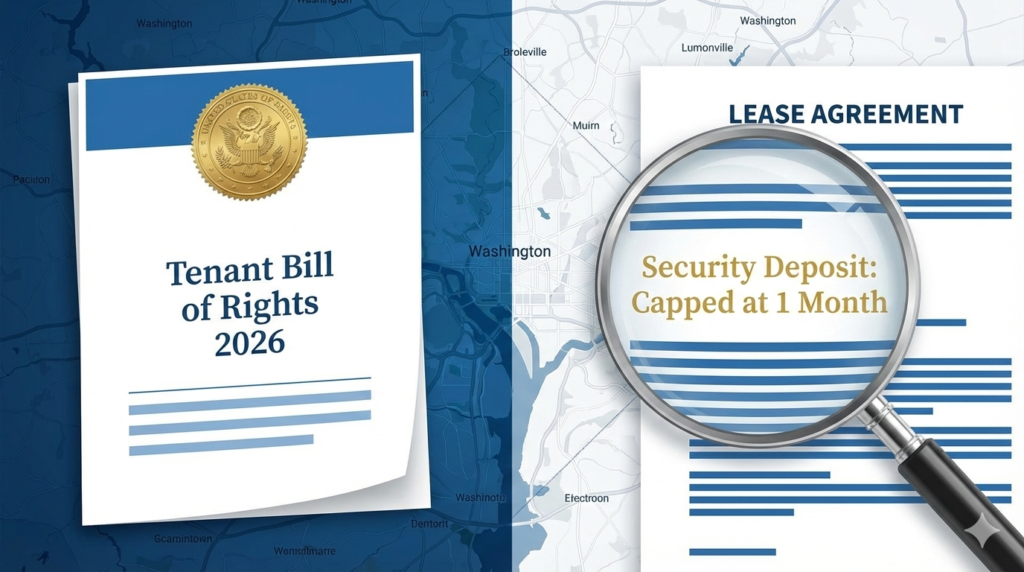
- Capped Security Deposits: Under the new federal guidelines, security deposits cannot exceed one month’s rent for long-term leases.
Why This Matters for D.C. Families
We’ve all felt the sting of why saving money feels harder than ever lately. If you are planning a move, you need to be proactive. According to the U.S. Department of Housing and Urban Development (HUD), many landlords still use outdated lease templates that violate these new 2026 statutes.
I told Sofia to check her lease against the essential new 2026 tenant laws. Within 24 hours of her sending a formal email citing the new federal code, her landlord “miraculously” found that the carpet cleaning was actually covered by the building’s maintenance budget. She got her full $1,500 back.

Actionable Step: The 2026 “Move-Out” Audit
If you’re moving this year, don’t leave your money on the table. Use this quick checklist:
- Document Everything: Take a video of your apartment on the day you leave. Mention the date and time out loud.
- Cite the 2026 Code: When requesting your deposit, explicitly mention you are aware of the 2026 Federal Tenant Bill of Rights. It signals you aren’t an easy target.
- Use the Moving Checklist: Follow my ultimate moving checklist for 2026 to ensure no detail is missed.
Does this solve all our financial stress? No. But in a city where policy is power, knowing your rights is the first step to staying ahead. Whether you’re dealing with rising healthcare costs or tech market volatility, protecting your home base is the most “actionable” investment you can make today.
The bottom line is clear: Don’t let a landlord’s “policy” override federal law. You’ve worked hard for your money; keep it in your family’s pocket, where it belongs.