
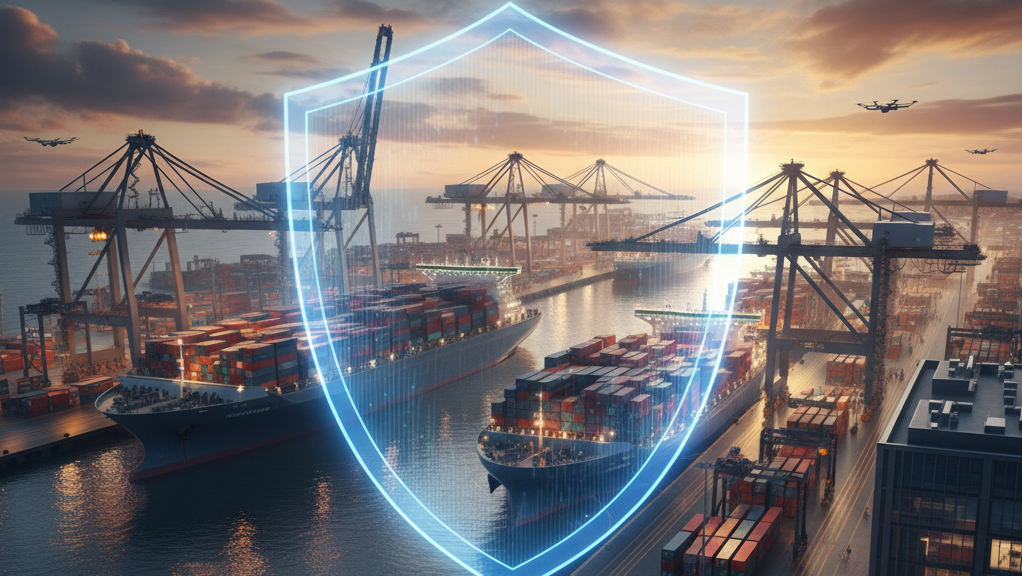
Why is Europe moving away from free trade principles in 2026?
Featured Snippet: Europe is abandoning traditional free trade in favor of “strategic autonomy” and economic security. Driven by supply chain vulnerabilities and competition from global powers, the EU is now implementing protectionist measures, such as green industry subsidies and stricter import regulations. This Europe’s trade policy change aims to protect domestic industries while reducing reliance on external suppliers for critical technologies and energy.
The most common topic of conversation is no longer global cooperation, but regional protection. For decades, Europe stood as a bastion of open markets. However, in 2026, we are witnessing a fundamental Europe’s trade policy change that prioritizes self-reliance over cheap imports. This transition is not merely political; it is a structural redesign of the global economy.
This shift has a direct impact on the prices we pay every day. Just as we analyze why everyday life is getting more expensive in the United States, Europeans are now facing similar inflationary pressures as they prioritize security over low-cost foreign goods.
Economic Security Over Efficiency
The primary driver behind this Europe’s trade policy change is the hard-learned lesson from recent energy and geopolitical crises. The EU has concluded that being dependent on adversarial or even unpredictable partners for essential resources is a national security risk. Consequently, “Strategic Autonomy” has become the new mandate in Brussels.
By moving production back home, Europe is investing heavily in its own infrastructure. This mirrors a broader trend where infrastructure is becoming the new play for investors seeking stability in an era of technological and trade volatility. The focus is now on resilience rather than just-in-time efficiency.
Responding to Global Competition
The rise of protectionism in Europe is also a direct response to the industrial policies of China and the U.S. Inflation Reduction Act. To prevent its green industries from being hollowed out, the EU is now offering its own massive subsidies. This competitive protectionism marks a definitive Europe’s trade policy change from the era of the World Trade Organization’s dominance.
While these policies aim to save local jobs, they often complicate the legal landscape for consumers. We see this in the U.S. as well, where consumer protection laws matter more than ever as trade barriers and local regulations create more complex purchasing environments.

The Cost of Protectionism for Consumers
A significant consequence of this Europe’s trade policy change is the inevitable rise in consumer prices. When a continent restricts access to the cheapest global suppliers, the local population bears the cost. For 2026, this means that everything from electric vehicles to high-end electronics may see price increases as European domestic production scales up.
Ultimately, the goal of this Europe’s trade policy change is to ensure long-term stability at the cost of short-term affordability. As the world fragments into regional trade blocs, the 2026 global economy will be defined by who can produce their own essentials within their own borders.
[Actionable Tip] How to Adjust Your Portfolio
As Europe builds its walls, smart investors should look at:
- Localized Supply Chains: Invest in companies with significant manufacturing footprints inside the EU to benefit from local subsidies.
- Commodity Security: Focus on European companies that control their own raw material sources, as import restrictions may tighten further.
Final Thoughts: A New Economic Map
The Europe’s trade policy change we are observing in 2026 is a signal that the age of hyper-globalization is over. While this new focus on security may lead to a more stable regional economy, it requires a new set of rules for global investors and consumers alike. Stay informed as these trade walls continue to rise.
Source: European Commission – Trade and Security Strategy 2026
Do you believe Europe’s shift toward protectionism will lead to more stability or just higher prices? Let us know in the comments!