
CONTENT:
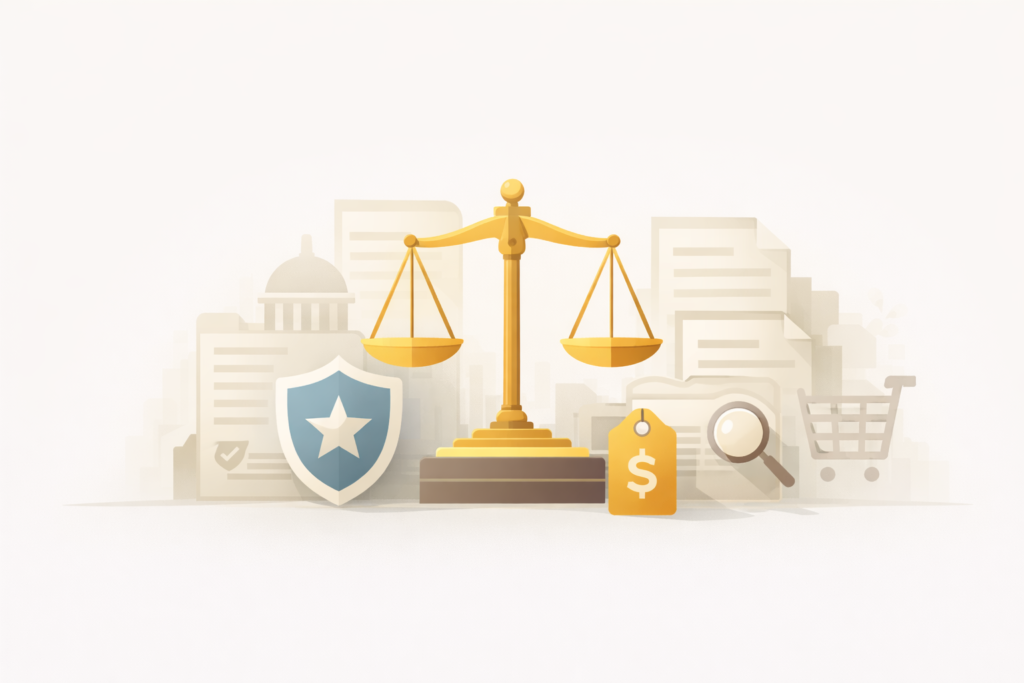
Consumer protection laws play an important role in everyday life in the United States, even though many people are not fully aware of how they work.
This article explains the basic purpose of U.S. consumer protection laws, how they are enforced, and why they matter for individuals making everyday purchases. The focus is on general understanding, not legal advice.
What Are Consumer Protection Laws?
Consumer protection laws are rules designed to protect buyers from unfair, deceptive, or unsafe business practices.
In the United States, these laws apply to products, services, advertising, and contracts. They help ensure that consumers receive accurate information and fair treatment when making purchasing decisions.
Why Consumer Protection Laws Exist
Consumer protection laws exist to balance the relationship between businesses and consumers.
Because companies often have more information and resources, laws help prevent misleading claims, hidden fees, and unsafe products. These rules support transparency and trust in the marketplace.
Common Areas Covered by Consumer Protection Laws
U.S. consumer protection laws cover many aspects of daily life.
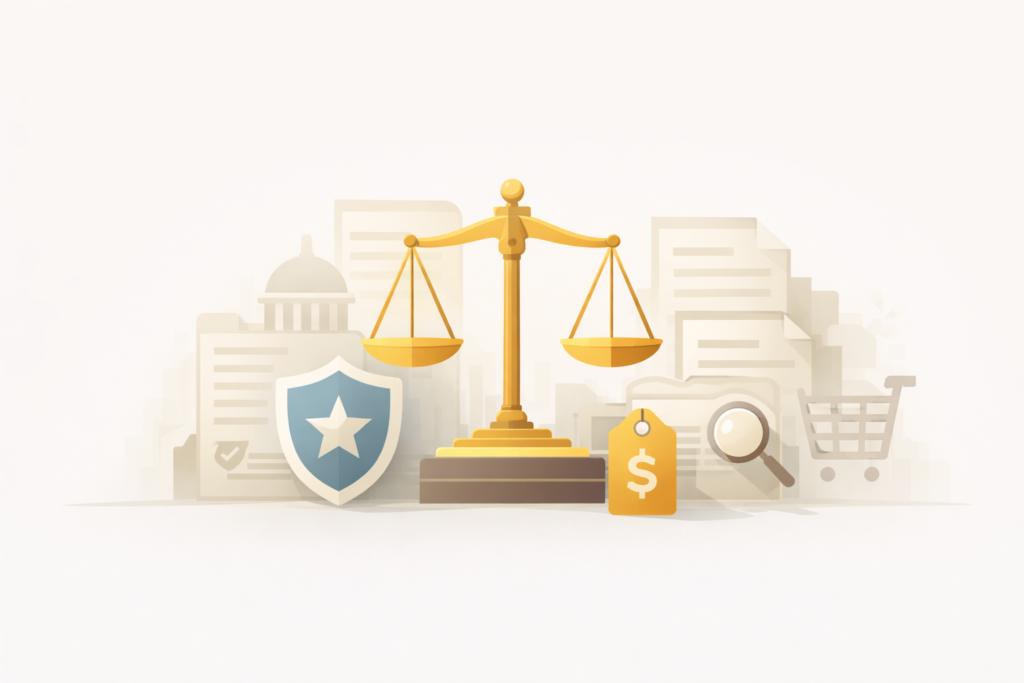
They include regulations related to product safety, truthful advertising, pricing disclosures, warranties, and data privacy. These protections apply to both online and in-person transactions.
How Consumer Protection Is Enforced
Enforcement of consumer protection laws occurs at multiple levels.
Federal agencies, state authorities, and courts all play a role in monitoring business practices and responding to violations. In many cases, enforcement focuses on patterns of behavior rather than individual disputes.
Consumer Rights in Everyday Situations
Consumers in the United States have certain basic rights when purchasing goods or services.
These rights often include access to accurate information, protection against deceptive practices, and the ability to seek resolution when standards are not met. The exact process depends on the situation and applicable regulations.
Limitations of Consumer Protection Laws
Consumer protection laws are not unlimited.
They do not guarantee satisfaction with every purchase, and they may not apply equally in all situations. Understanding these limits helps set realistic expectations when navigating consumer issues.
Why Understanding Consumer Protection Matters
Knowing the basics of consumer protection laws helps people make informed decisions.
By understanding how these laws function, consumers can better evaluate offers, recognize misleading claims, and approach transactions with greater confidence.
Conclusion
Consumer protection laws are a foundational part of everyday life in the United States.
They shape how businesses operate and how consumers interact with the marketplace, providing a framework for fairness and transparency without requiring legal expertise.