

The introduction of the New Hampshire reproductive health shield law 2026 (SB 551) marks a pivotal moment in the state’s legal history. Recently, Senator Debra Altschiller and a coalition of Democratic lawmakers announced the bill as a necessary “offense” to build fortress-level protections for bodily autonomy. Consequently, as neighboring states ramp up extraterritorial litigation, New Hampshire’s medical community is looking for a definitive legal sanctuary.
As we analyze the New Hampshire reproductive health shield law 2026, it is clear that the primary objective is to shield providers from out-of-state subpoenas and investigations. Furthermore, the bill aims to codify reproductive healthcare as a fundamental right within the state statutes. Therefore, this legislative push is seen as a direct response to the “legal lens” through which democracy is being re-evaluated in this decade, much like how law students are protecting voting rights nationwide.
Why New Hampshire is the “Missing Link” in New England
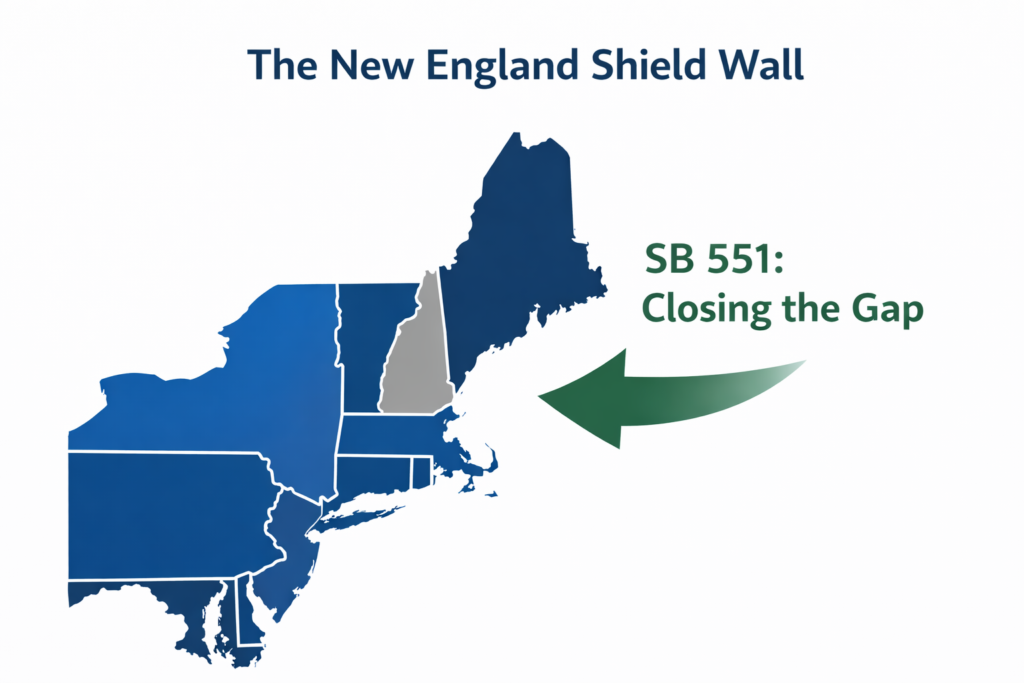
What makes the New Hampshire reproductive health shield law 2026 so significant? Primarily, New Hampshire is currently the only state in the New England region without such protections. Specifically, without this law, local providers who assist patients traveling from states with near-total bans remain vulnerable to civil and criminal charges from those jurisdictions.
In addition, the bill addresses the growing intersection of medical privacy and surveillance. In contrast to states that are increasing government surveillance of patient data, this shield law would reinforce confidentiality. This is a critical component in the broader fight for digital privacy and data rights in 2026.
Key Features of SB 551 (Shield Law)
- Litigation Immunity: Prohibits state agencies from cooperating with out-of-state investigations into legally provided care.
- Provider Protection: Protects medical licenses from being revoked due to actions deemed illegal in other states but legal in NH.
- Contraceptive Access: Explicitly includes gender-affirming care and contraception under the “reproductive health” umbrella.
The Clash of Philosophies: Shield vs. Conscience Laws
While Democrats push for the New Hampshire reproductive health shield law 2026, they face significant opposition from Republican-led measures. Specifically, bills like HB 232 seek to expand “conscience” objections for healthcare workers, allowing them to refuse participation in certain procedures. Moreover, understanding these conflicting statutes is essential because consumer protection laws are often the last line of defense for citizens caught in legislative crossfire.
Specifically, according to the New Hampshire General Court, the debate over SB 551 will hinge on whether the state can maintain its “Live Free or Die” identity while resisting out-of-state legal encroachment.
In conclusion, the proposed New Hampshire reproductive health shield law 2026 is more than just a healthcare bill; it is a defensive boundary in a fractured legal landscape. Specifically, for patients and providers alike, the outcome of this legislative session will determine the safety and stability of medical care for years to come. Ultimately, as the 2026 elections approach, reproductive freedom remains the most potent issue on the New Hampshire ballot.
The bottom line: Stay informed about the status of SB 551. If passed, it will ensure that New Hampshire remains a safe harbor in a storm of out-of-state litigation.