

Why are law students focusing on Americans’ right to vote in 2026?
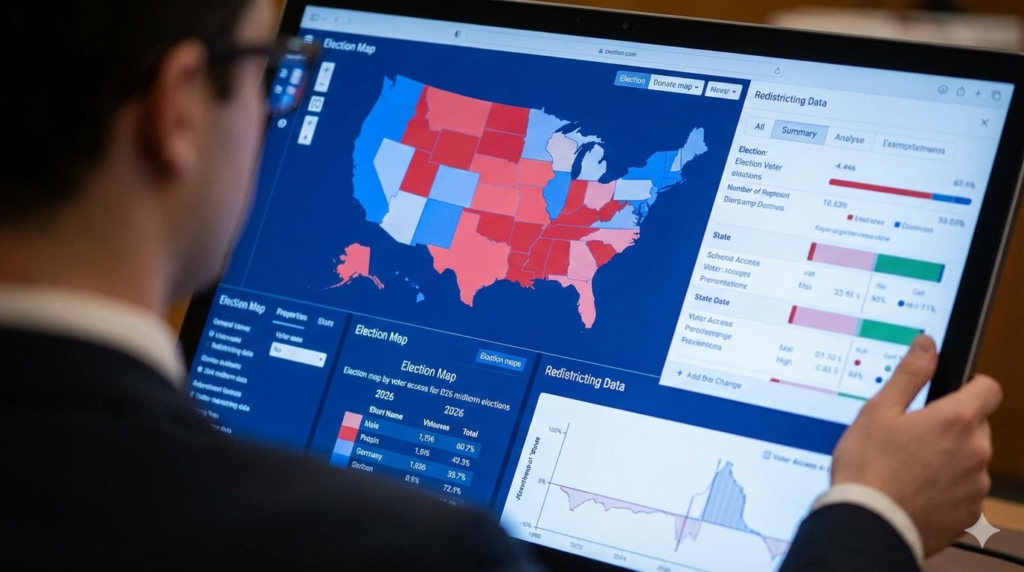
Featured Snippet: Law students are examining Americans’ right to vote because of the increasingly complex legal landscape surrounding election administration and voter eligibility. Ahead of the 2026 midterms, these students are analyzing state-level legislative changes, the impact of redistricting on representation, and the balance between ballot security and accessibility. Their research is vital for identifying legal hurdles that could prevent citizens from participating in the democratic process.
A few days ago, I was sitting in a quiet corner of a local university library when I noticed a group of students huddled over a massive stack of constitutional law books. They weren’t just studying for an exam; they were participating in a clinic dedicated to Americans’ right to vote. It was a powerful reminder that the foundation of our democracy is being scrutinized and defended by the next generation of legal minds right now in 2026.
Democracy often feels like a constant, but the laws that govern it are surprisingly fluid. Understanding these shifts is just as important as knowing your rights in other areas, such as navigating essential new tenant rights or workplace protections.
The Fragmented Reality of Voting Rights
One of the most eye-opening aspects for these law students is the discovery that Americans’ right to vote is not managed by a single federal entity. Instead, it is a patchwork of state regulations. This decentralization means that the experience of a voter in Virginia can be fundamentally different from one in New York or Maryland.
Students are currently dissecting how these variations impact election integrity. For many, this research is their first real look at how regional laws can shape national outcomes. This complexity is why consumer protection laws matter more than ever, as they provide a parallel framework for how we protect individual interests against large institutional systems.
2026 Battlegrounds: Access and Security
As the 2026 election cycle approaches, the academic focus has shifted toward the tension between increasing voter access and ensuring system security. Law students are looking at everything from the legality of drop boxes to the strictness of signature verification processes.
They are also investigating how digital platforms handle voter data. In an era where information is power, ensuring that Americans’ right to vote is not compromised by data breaches is a top priority. This is closely linked to our broader understanding of navigating digital privacy laws in 2026, where our personal information must be guarded at every level.
Why Student Research Matters for Your Ballot
The work these students do—often through clinics like the one at Syracuse University—directly impacts the litigation that reaches the Supreme Court. By identifying flaws in redistricting maps or highlighting barriers to Americans’ right to vote for disabled or elderly populations, they provide the data that civil rights attorneys use to file suits.
Ultimately, these students are learning that Americans’ right to vote is not a “set it and forget it” privilege. It requires constant maintenance, observation, and legal intervention to remain effective for every citizen.
[Actionable Tip] How to Defend Your Voting Status
You don’t need a law degree to protect your place in democracy. Here are two things you should do before the next election cycle:
- Audit Your Registration: Many states are purging inactive voter rolls. Check your status even if you haven’t moved recently.
- Join Local Discussions: Many law school clinics offer public seminars on local voting law changes. Attend one to stay informed about your specific district.
Final Thoughts: A Pillar of Legal Evolution
Americans’ right to vote continues to be the most debated topic in law school classrooms across the country. As long as the legal landscape keeps shifting, we need these dedicated students to keep a watchful eye on the ballot box. Stay informed, stay registered, and remember that your vote is your voice.
Source: Syracuse University Today – Law Students and Voting Rights 2026
Have you checked your voter registration status for the 2026 midterms yet? Let’s share resources in the comments below!
Pingback: New Hampshire Reproductive Health Shield Law 2026: Democrats Push for “Fortress-Level” Protections - World Update Today